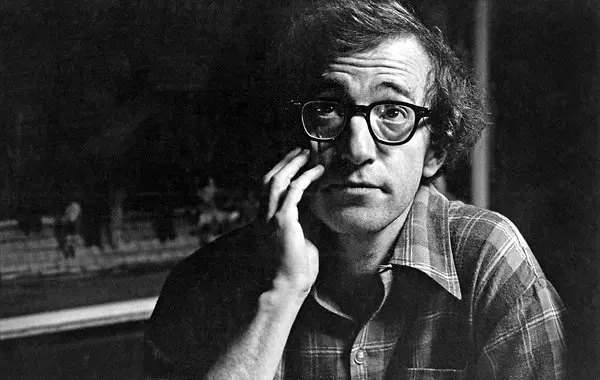
The Woody Allen career spans more than six decades. Few filmmakers have created as many movies, influenced as many writers, or shaped as many comedic styles as he has. His work changed American cinema, but his legacy in 2025 remains one of the most debated in the entertainment world. The debate surrounding his life and films continues to evolve, and audiences often revisit the impact of his storytelling, humor, and creative voice.
This article explores the artistic strengths, cultural footprint, and ongoing conversation surrounding the Woody Allen career, while keeping a clear news-style tone and SEO-friendly structure.
Early Beginnings That Defined His Creative Style
The Woody Allen career began in stand-up comedy and television writing. His early jokes, essays, and monologue rhythms shaped the tone of his future films. The humor he built in those years leaned on wit, irony, observational insight, and intellectual themes.
As he moved into filmmaking, these elements stayed at the center of his work. His early movies mixed sharp dialogue with comedic timing, and he blended humor with emotional honesty. This combination made his early releases stand out and helped him build a loyal audience.
Breakout Films and Sharp Creative Shifts
The turning point in the Woody Allen career came through key films that caught national and international attention. Each one displayed new creative instincts and bold choices.
A Unique Blend of Humor and Self-Reflection
He became known for characters who question life, love, identity, and purpose. These themes created a signature style, helping viewers recognize his tone instantly.
A Transition to Mature Storytelling
As the years passed, Allen began exploring deeper emotional narratives. He blended comedy with drama to create stories that felt personal yet universal. This shift expanded his audience and strengthened his reputation as a writer-director.
A Global Filmmaker
Later in his career, he created films set across major European cities. These projects introduced new visual styles and introduced him to a wider global audience.
Through every era, the Woody Allen career evolved in tone and technique, yet continued to prioritize emotion and intellectual humor.
A Controversial Legacy in Modern Culture
The conversation around Woody Allen changed dramatically in the past decade. Public perception shifted. Audiences, critics, and industry professionals reassessed his place in cinema.
As a result, the Woody Allen career became one of the most polarizing topics in film. Some viewers continue to appreciate his artistic contributions. Others choose not to engage with his work at all.
In 2025, that divide still exists. While his films remain part of academic discussions and film history, the cultural conversation focuses heavily on questions about art, ethics, and public accountability. The debate surrounding his legacy remains active and ongoing.
Woody Allen in 2025: A Quiet Yet Persistent Creative Presence
Although his mainstream presence has declined, Woody Allen remains active. He continues to write new material, and updates about his projects circulate occasionally in entertainment news. His creative habits remain steady. He still writes daily, still explores new ideas, and still maintains his long-established artistic routines.
However, the film landscape around him has changed. Studios and distributors often move cautiously. Public reactions influence release schedules, marketing strategies, and distribution choices.
Despite these obstacles, the Woody Allen career continues to be discussed because of its vast output. He created dozens of films, and many remain influential in academic and filmmaking circles.
Why His Work Still Appears in Film Studies
Film schools and critics still analyze his work because of its technical and structural qualities. Certain elements continue to shape discussions about filmmaking craft:
1. Character-Driven Writing
His scripts focus on thought-driven dialogue and intimate emotional moments.
2. City-Centered Storytelling
Many of his films use New York City or European cities as symbolic extensions of the characters.
3. Use of Long Takes and Simple Framing
His style relies on performance rather than heavy editing.
4. Exploration of Human Flaws
He highlights insecurities, contradictions, and internal struggles in ways many filmmakers still study.
These qualities help the Woody Allen career retain relevance in technical analysis, even as public debates continue.
Impact on Modern Writers and Directors
Many modern filmmakers credit him for influencing their tone, structure, or narrative pacing. His conversational style and intellectual humor shaped an entire era of storytelling.
Directors who explore relationship dynamics, emotional uncertainty, or comedic realism often cite his films as a reference point. Even when the conversation shifts to controversy, his creative influence remains part of the industry’s history.
While many younger creators distance themselves from the public persona of Woody Allen, his impact on writing structure and comedic rhythm continues to appear in film and television today.
How Audiences View Woody Allen Today
Audience perception in 2025 is complex. Some viewers still follow his creative output. Others revisit older films through a more critical lens. Many choose not to engage at all.
Viewer reactions usually fall into three groups:
- Those who value his artistic contributions and continue to separate the work from the creator
- Those who avoid his films entirely due to controversy
- Those who examine his work academically without personal attachment
The Woody Allen career therefore remains part of cultural debate rather than mainstream celebration.
A Look at the Future of His Legacy
As time moves forward, his legacy will likely remain mixed. Some of his films will continue to be included in cinema history. Others may fade as new generations choose different artistic references.
In academic and professional circles, his creative techniques may stay relevant. Yet in mainstream culture, his visibility continues to decline.
The future of the Woody Allen career will depend on how new filmmakers interpret his influence, how audiences evolve, and how cultural norms shift.
Conclusion: A Career Marked by Artistry and Controversy
The Woody Allen career is one of the most unusual in American film history. It contains innovation, creativity, influence, debate, division, and decades of storytelling.
In 2025, his artistic contributions remain part of cinema’s technical foundation. At the same time, the discussion surrounding his personal controversies continues to shape public opinion.
As audiences reassess film history through new cultural perspectives, the story of Woody Allen becomes a reflection of a larger conversation — one that questions how we judge art, how we define legacy, and how we separate or combine the artist with their creations.
His career will remain part of film history, but the debate around him will continue for many years