Mass Recall: Shredded Cheese Recalled Across U.S. — Safety Alert for Consumers
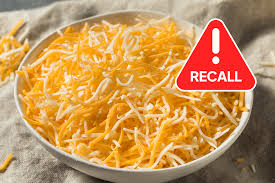
A major food-safety alert is underway as shredded cheese recalled in dozens of states triggers nationwide concern. In December 2025, the U.S. Food and Drug Administration (FDA) announced a recall of more than 1.5 million bags of shredded cheese. The recall affects multiple store brands and a broad range of shredded cheese products — prompting consumers to check their refrigerators immediately.
The problem? Risk of metal fragment contamination. Ingesting metal pieces hidden in cheese can cause serious harm — from mouth or throat injuries, broken teeth, to possible digestive tract damage.
If you bought shredded cheese recently from major retailers — stop. Read on. This article breaks down what you need to know: which products are affected, what retailers are involved, how to check your cheese, and what steps to take to protect yourself and your family.
What Happened: Why the Shredded Cheese Recalled
The recall was issued after the manufacturer discovered potential metal contamination. The affected shredded cheese was produced by Great Lakes Cheese Co. Inc. and sold under various store-brand labels at major retailers, including Walmart, ALDI, Target, and others across the U.S.
In total, the recall impacts dozens of shredded cheese varieties — from shredded mozzarella to Italian-style blends and pizza-style cheeses. Package sizes range from small 8-ounce bags to large 5-pound bags. The recall spans at least 31 states plus Puerto Rico.
The FDA upgraded the recall to a Class II alert on December 1, 2025. A Class II recall means consuming the product may lead to temporary or medically reversible health issues; serious or permanent damage is unlikely but risk remains.
Which Products Are Affected
The recall covers a wide range of shredded cheese products. Some examples include:
- Shredded Mozzarella — stand-alone or as part of cheese blends
- Italian-style shredded cheese blends
- Pizza-style shredded cheeses
- Blends combining Mozzarella with Provolone or Parmesan
- Store-brand shredded cheeses sold under different labels across retailers
Because the cheeses were sold under multiple store labels, you may not recognize the recall immediately. The safest path is to locate any shredded cheese in your fridge and check for unusual packaging, or recall-related announcements from the store where you bought them.
Impacted Retailers & Geographic Spread
The scope of the recall is wide. Retailers that sold the recalled cheese include:
- Walmart
- ALDI
- Target
- Publix
- Sprouts
- And more national and regional grocery chains
The cheese was distributed across at least 31 U.S. states and Puerto Rico. That means households in many regions need to check their refrigerators — even if the store is far from a manufacturing facility.
What Consumers Should Do Immediately
If you have shredded cheese at home, take these steps right away:
- Stop using the cheese. Don’t eat it, don’t serve it to family or friends.
- Inspect the packaging carefully. If the cheese matches common store-brand shredded cheese sold recently, treat it as suspect — especially if you bought it at retailer named above.
- Discard the cheese or return it. The safest option is to throw it out. Alternatively, most retailers will accept returns for a full refund.
- Watch for health symptoms if already consumed. If you or someone else ate the cheese and experiences symptoms like mouth pain, throat irritation, difficulty swallowing, stomach pain or discomfort — seek medical help right away.
- Share with others. Inform family, friends, or roommates. Many may not check their cheeses until they prepare a meal.
This recall is a serious reminder that even everyday foods can pose hidden risks. Taking quick action reduces danger.
Health Risks Associated With Eating Contaminated Cheese
Metal fragments hidden in cheese packages can pose several hazards:
- Mouth or throat cuts: Sharp metal pieces can injure gums, tongue, or throat.
- Dental damage: Teeth can chip or crack on hard metal fragments.
- Internal injuries: If swallowed, fragments could scratch or puncture the digestive tract — potentially leading to internal bleeding or severe internal damage.
- Choking risk: Especially for children or elderly — small fragments can cause choking hazards.
While no widespread illnesses due to this recall have been publicly reported so far, the potential dangers are serious enough that the recall was escalated to Class II.
Why Recalls Like This Happen — And What It Means for Food Safety
Food recalls due to foreign material — like metal fragments — are rare compared to contamination from bacteria or pathogens. However, they do happen. In this case, the contamination likely occurred during mechanical processing — perhaps shredding, cutting, or packaging. When equipment fails or maintenance lapses, fragments can end up in the final product.
Recalls like this highlight the importance of strong quality control in food processing. For manufacturers and retailers, it’s a reminder that safety must come before speed or profit. For consumers, it’s a warning: always inspect food packaging and contents carefully.
The Recall Timeline: From Initial Discovery to Nationwide Alert
- February 15, 2025 — Great Lakes Cheese Co. Inc. initiated a voluntary recall of select shredded cheese products after discovering possible stainless steel fragments. The first recall involved smaller batches and fewer states.
- March 19, 2025 — The recall was classified as Class II by the FDA, as more details emerged about the contamination risk. Initial affected products included shredded cheese sold at ALDI stores in four states (Connecticut, Michigan, Ohio, Pennsylvania
- December 2025 — The recall expanded dramatically. Over 1.5 million bags of shredded cheese sold nationwide through major retailers were included. The classification was reconfirmed as Class II, and consumers across at least 31 states plus Puerto Rico were advised to check their supplies.
This escalation shows the importance of transparency and quick action in food safety. A small initial recall expanded to a large-scale nationwide alert.
What This Means For Grocery Shoppers in 2025
The shredded cheese recall is a reminder of how quickly everyday food items can become dangerous. For shoppers this year, expect several shifts:
- More vigilant label checking: Consumers are paying closer attention to UPC codes, best-by dates, and recall alerts.
- Increased demand for transparency: Shoppers want to know where their food comes from, how it’s processed, and whether safety standards are enforced.
- Retailer responsibility under scrutiny: Big chains face pressure to vet their suppliers more carefully and act quickly when recalls happen.
- Greater caution with store-brand items: Many of the recalled cheeses were store-brand private labels, which some shoppers now treat with extra scrutiny.
Final Thoughts — Safety First, Always Double-Check Your Cheese
The recent shredded cheese recall underscores a critical point: even routine grocery items can hide serious risks. If you purchased shredded cheese recently — especially from Walmart, ALDI, Target, or similar chains — take a moment to check your fridge.
Discard or return any suspicious packages. Prioritize safety over convenience. And if you or a loved one develops unusual symptoms after eating cheese, consult a doctor as soon as possible.
In a time when hidden risks in food remain a possibility, awareness and caution are your best tools. The recall may affect millions of bags, but your quick action can prevent harm.